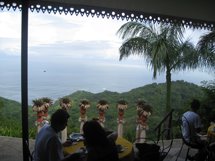
A friend of mine retired to Costa Rica from northern California at the age of 40. He lives in his debt-free small hotel, which is run by his hotel manager and enjoys a healthy life eating his fill of fresh fruit and seafood daily. He was able to retire early because he moved to Southern Caribbean part of Costa Rica, which is one of the world's best retirement destinations.
Four years ago, he sold his Northern California home at a tidy profit. He took the money he made on the sale of his home and bought a piece of land in Costa Rica and built small hotel consisting of main house and lobby where he resides and five cabanas which he rents. He bought it free and clear because he likes the fact that he is not indebted to anyone.
He sold many of his belongings and the rest he packed in his two cars and with the help of his friends they drove it to Costa Rica. From the border at Nogales, it was one in the lifetime eleven day drive. They drove through Mexico, Guatemala, Salvador, Honduras, Nicaragua and to Costa Rica.
He's settled into life quite nicely here. He owns a beautiful tropical hotel built out of exotic wood with gorgeous swim-up bar an in-ground swimming pool, and outside gourmet kitchen. He lives frugally but well off income he gets from hotel rents, the interest he earns on his savings and investments.
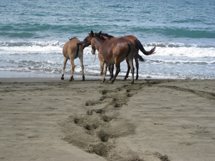
His typical day goes like this: He wakes at about 6 a.m., enjoys freshly roasted Costa Rican coffee and a little papaya or mango for breakfast, and checks e-mail and the news from home. Then he welcomes Jorge (the guy who runs his hotel) and takes the dog for a walk on the beach, which is about 200 yards from his place.
Other days he may go to the local tienda (local grocery store) where he'll stock up on fresh fruit or buy the ingredients for seafood chiopino. On the way back he'll buy freshly caught tuna or barracuda and the crab for about $1 per pound.
After the hour long walk or jog along secluded white sand beach and swim in 85 degree crystal clear ocean water it's time to start thinking about lunch. But only after a quick dip in the pool. For lunch he might go to a favorite restaurant that has the freshest and most delicious local foods, and a beverage for $6. Some days he'll drive 30 minutes to border town with Panama where he can buy duty free products and more-than-he-can-eat best free range rotisserie chicken for $5. Washed down with a $1 beer, of course.
Then it's back home for a siesta. But first he has to pay his maid $10 for a full day's work. After another late-afternoon swim, my friend will usually sit down with hotel guests and listen to their rat race stories. Or grab a book and hit the hammock. After another stroll on the beach, he's ready for dinner. Since he had a big lunch, he'll most often head for one of the towns food establishments that offers free live music. (In Puerto Viejo, you can find free entertainment somewhere in town every night of the week.) He might pay a couple of bucks for huge slice of local gourmet pizzas maybe another buck for a fresh watermelon, pineapple, or orange juice.
Some night’s he'll opt for a nightcap at one of the many local bars along the beach. Finally, he'll head for home and a good night's sleep so he can do it all over again the next day.
If this sounds like a good life, I can assure you it is. This economy has taught us that there is NOTHING wrong with living debt free and enjoying the simple things in life.
"If I were still in the States I'd still be working and watching my 401K going down. Hoping that when I turn 67 I can retire and be able to take my dog to the local city park for walk and share my worries about economy, government bailout plans and my health coverage with others"- he says. Instead, he's happy, stress-free, and retired at 45...in the world's best retirement destination.
“I do not want to spend my whole life working to retire at the age of 67 and STILL pray that I do not outlive my savings. What kind of lifestyle is that? I’m enjoying the best years of my life!”


 Posts
Posts